Community College Insights
May 7, 2026
Hands-on learning at community colleges provides students with direct pathways to skilled trades careers, bridging the gap between education and workforce demands.
The Richmond Fed's Survey of Community College Outcomes (SCCO) captures data on both how and how well community colleges serve their students in ways that traditional higher education metrics tend to miss. Recent findings from the 2025 SCCO illustrate the importance of recognizing multiple pathways when it comes to measuring student success. Community colleges are critical to providing a range of post-secondary pathways and fueling workforce pathways across the country, as well as playing an outsized role in rural communities as cultural and economic anchors.
Setting the Stage: Insights From the 2025 SCCO
There are many approaches to distinguishing between rural and nonrural places, and there are drawbacks to each. "Rural" is not one single place but represents a diverse mix of communities each with a unique set of assets and challenges. Many colleges cover service areas with a mix of rural and urban communities, so it makes it harder to define a community college as rural. Nonetheless, even with a broad definition of rurality, there are trends in success rates that suggest community colleges that are farther from urban centers are serving students with different education and career goals.
Categorizing colleges in the 2025 SCCO based on the Core Based Statistical Area (CBSA) classification of each college's main campus divides the 189 colleges into three categories. The 112 metropolitan-based colleges comprise 59 percent of the colleges but represent 85 percent of the credit cohort students captured in the survey. Colleges based in micropolitan areas (42 colleges) represent roughly 10 percent of credit cohort students, while colleges with a main campus located outside of a CBSA (35 colleges) account for the remaining 5 percent of credit cohort students.
Aggregate success rates across the three categories all hover around 50 percent, but the composition of the success rate varies. Student success at metro colleges is weighted more heavily toward transferring to a four-year institution prior to earning an award, while success at micro and non-CBSA colleges is driven predominantly by students earning associate degrees and certificates. Because of the density of four-year colleges and universities in metro areas, students attending a metropolitan community college may also find transferring for a four-year degree more accessible than students in less urban areas.
Major urban centers often have a concentration of jobs requiring a four-year degree, so it is not surprising that students in these areas often attend community college as a critical step toward a degree at another institution.
Non-metro community colleges also provide a transfer pipeline for their students, but they may also serve as the sole provider of higher education in their region. The larger share of associate degree and certificate attainment at non-metro community colleges suggests that community colleges are preparing learners for jobs that require post-secondary training but not necessarily a bachelor's degree. This pattern holds true for both part-time and full-time students.
Rural Community Colleges in Action: Three Regional Perspectives
Better data on community colleges and the students they serve is important, but even the best data will only tell a partial story. In addition to collecting quantitative data, the Richmond Fed visits community college campuses and meets with leaders to understand how these institutions are shaping the workforce pipelines in their communities. On April 8, the Richmond Fed's Center for Rural Economies convened three community college leaders from very different rural corners of America who shared how they're navigating unique challenges and opportunities.
Mountains and Transformation in Virginia
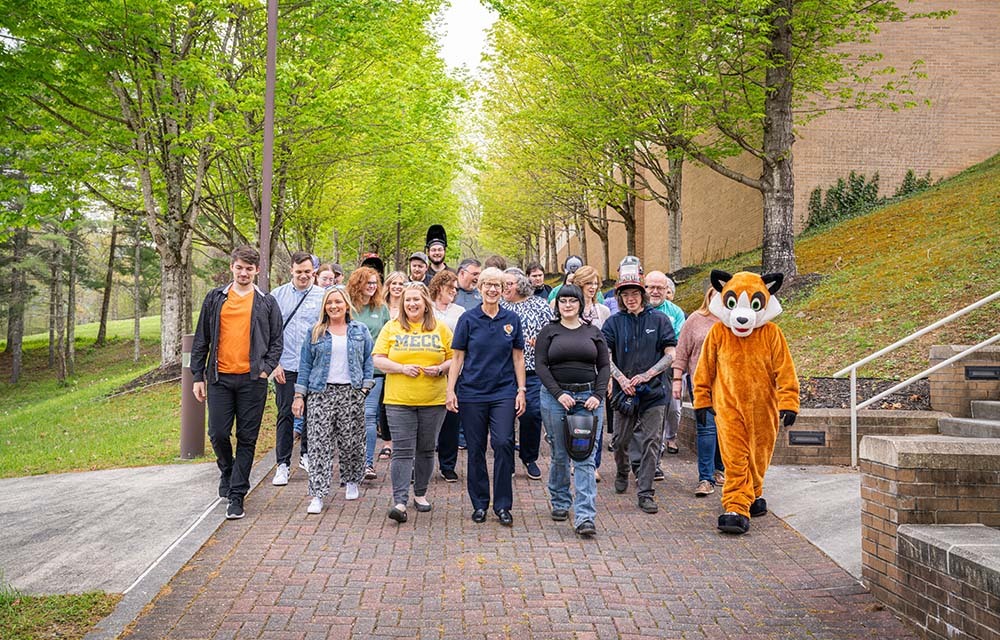
Kris Westover, the president of Mountain Empire who has led the college for nine years, has seen her community go through dramatic economic transformation. When Mountain Empire was founded 50 years ago, coal dominated the local economy.
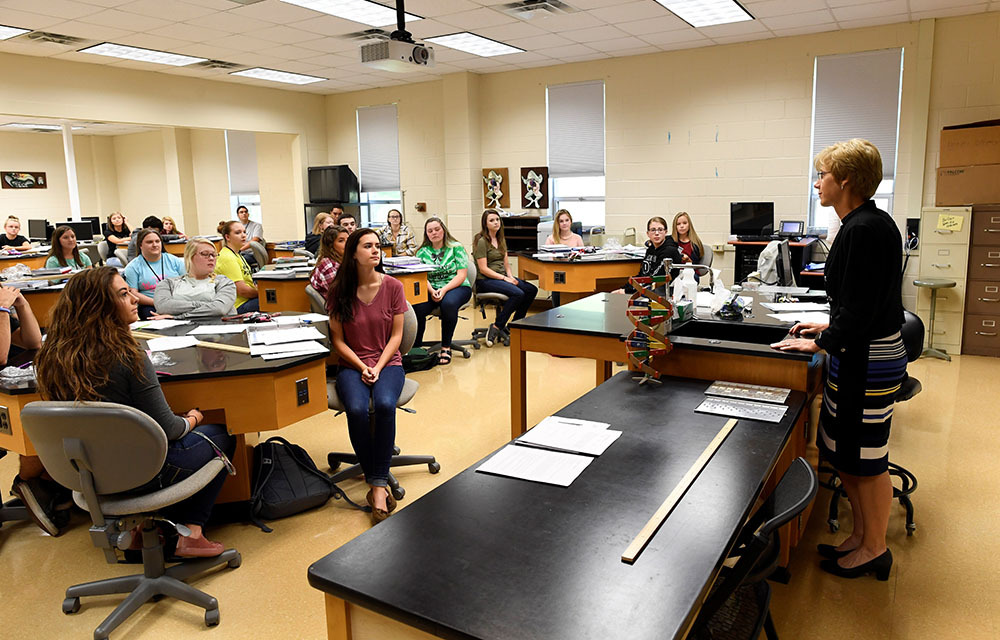
But those health care programs can be expensive, and funding can be tricky. Westover revealed the benefits of creative funding plans that rural community colleges develop, such as general education classes that subsidize expensive technical programs, aggressive grant seeking, a robust foundation endowment, and equipment donations from industry partners.
Defense Industry Meets Rural Arkansas
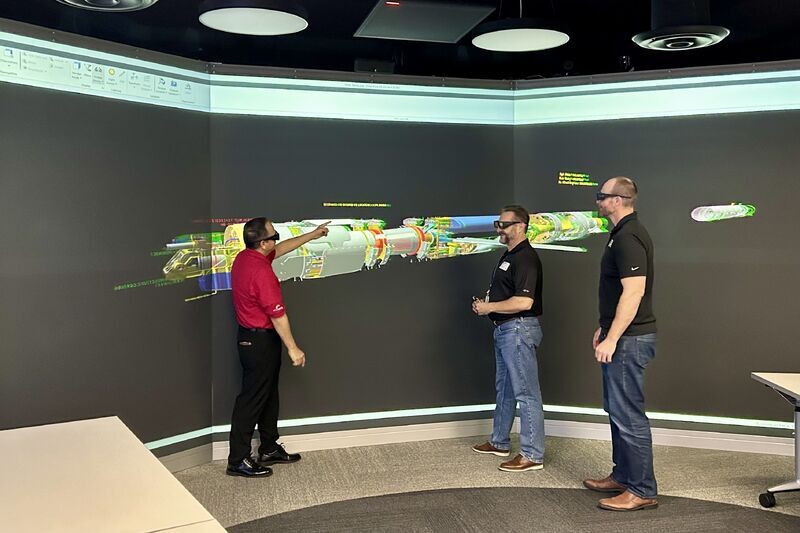
"Right now, there's a lot of growth in defense production, particularly in missiles and munitions," Jerry Thomas, chancellor of SAU Tech, explained. "The companies are tripling their workforce."
For Thomas, it's both an enormous opportunity and major pressure. How do you scale up technical training fast enough when you're drawing from a small, aging population?
Thomas' answer has been to fundamentally rethink the relationship between education and industry: According to Thomas, "Our employers are not just advisers now. They help co-create and shape what we teach."
The definition of success at SAU Tech has evolved beyond enrollment numbers. "What matters most is what happens to students after they leave us. Are they working? Are they earning a family-sustaining wage?"
Coastal Complexity in North Carolina
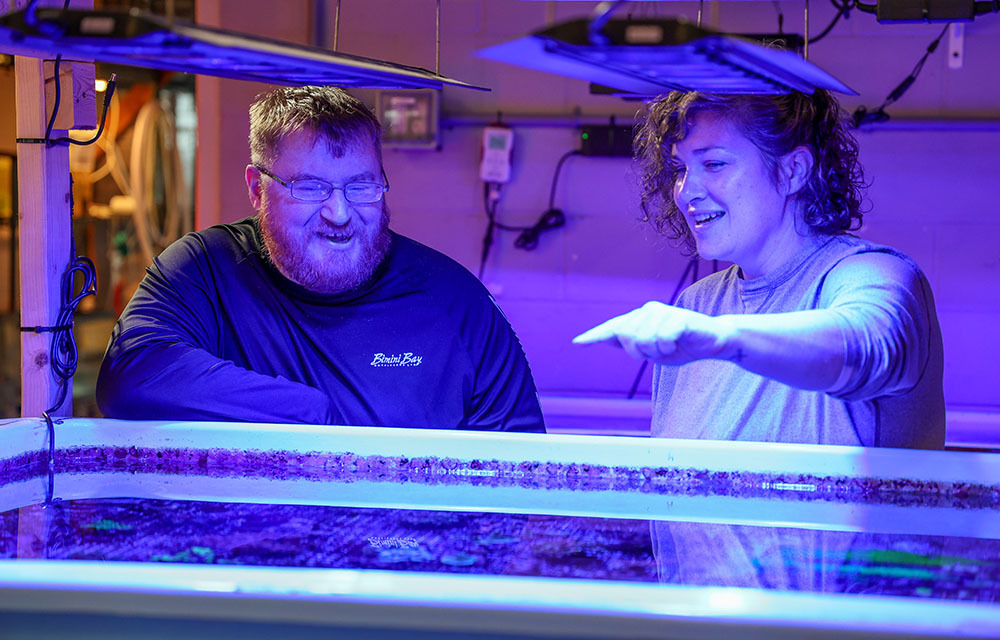
The college's founding mission to serve marine and maritime industries remains important, with unique programs like aquaculture technology, boat manufacturing, and captain's licensure programs. But the economy has diversified. Tourism, hospitality, and health care now drive the region, and the local hospital is across the street from campus.
Carteret provides a comprehensive range of educational services, including prison education, adult basic education, English language learning programs, GED completion, life enrichment courses, incumbent worker training, support for transfer students, and dual enrollment opportunities for high school students (who account for 25 percent of curriculum enrollment).
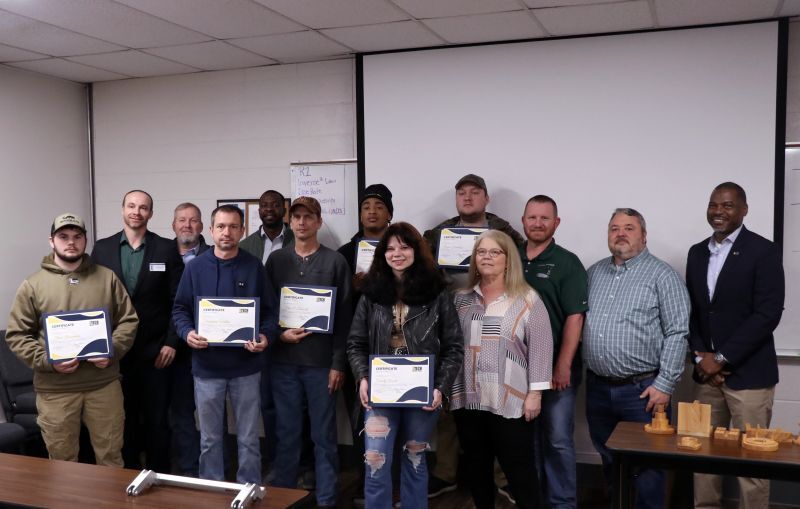
Mancini also highlighted a commercial driver's license program that exemplifies the power of short-term training: Eight to 16 weeks leading to jobs paying $60,000 to $100,000 annually. "That can change a family and change generational wealth," she said.
The Common Threads
As the three leaders shared their experiences, common themes emerged about how rural community colleges operate most effectively.
The completion mindset. Mancini tells students at orientation that completion, even of a single class, starts a habit. "Once they start that habit of completion, they're more likely to keep completing things. We see that in our transfer rates; when a student completes an associate degree with us and transfers, they're more likely to complete that bachelor's degree."
Success looks different — and that's a good thing. "These community colleges serve different communities, different types of students, preparing them for different types of jobs," Westover said. "There isn't a one-size-fits-all path."
Partnership is essential. In rural areas where resources are limited, collaboration is not optional. Westover described decades-long regional partnerships. Thomas emphasized: "It takes leadership to have those conversations and not play some turf-type war with each other."
All three leaders are members of multiple boards for various organizations ranging from health care to manufacturing to economic development. They're not just educators; they're community leaders and builders. "Sometimes we're helping to drive that work forward," said Thomas, who mentioned housing and child care as examples of issues outside of traditional college missions that directly impact workforce development.
A Call to Action
As the webinar concluded, the leaders offered final thoughts for those working toward advancing rural communities.
"In rural communities there are certain limitations, but there are lots of opportunities as well," Thomas said. "The glass is always half full. We have to think outside the box, be creative, and rethink traditional models."
Mancini emphasized agility: "We have to be good listeners and be present in our communities. We have to be able to pivot when new businesses come in."
Westover offered a compelling argument for investment: "Community colleges are really an essential infrastructure for rural prosperity. If we want rural communities to thrive, we have to invest not only in jobs but in the people who live there. Community colleges turn that investment into opportunity by aligning education, workforce needs, and community partnerships in ways that truly endure."
View the full webinar below:
Views expressed are those of the author(s) and do not necessarily reflect those of the Federal Reserve Bank of Richmond or the Federal Reserve System.