
Artificial intelligence is taking root in the workplace and beyond. How will it impact labor productivity and the wider economy?
Artificial Intelligence
Explore our research into the economic effects of artificial intelligence.
Updating Results
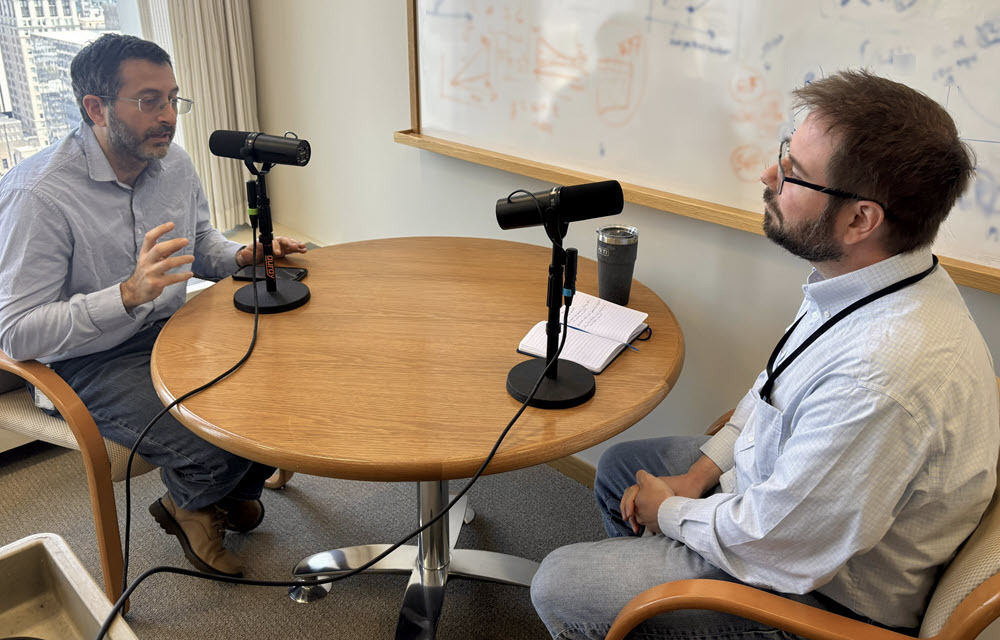
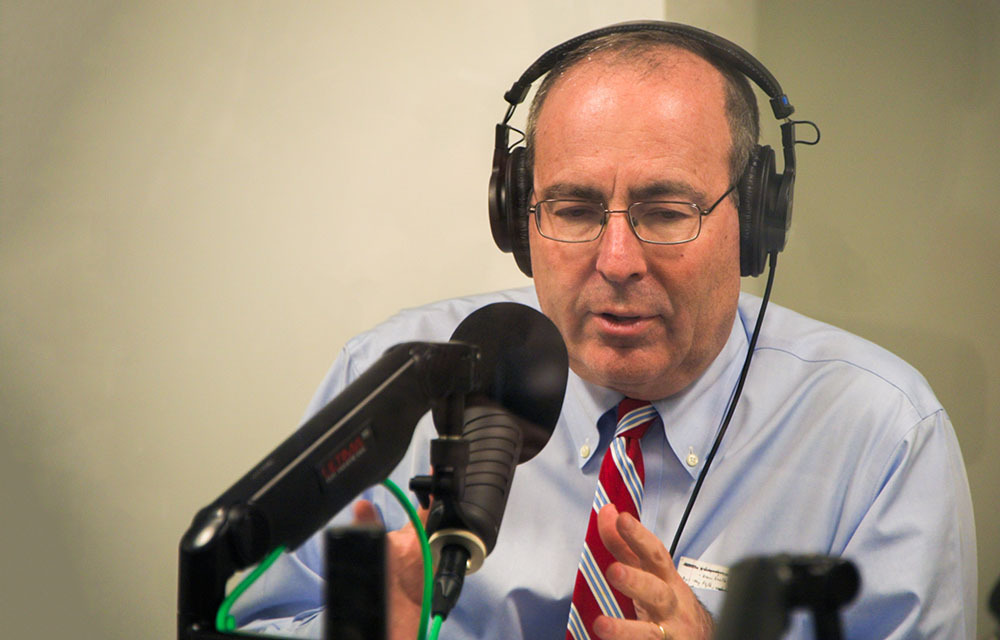
For the 200th episode of Speaking of the Economy, four economists at the Federal Reserve Bank of Richmond share their current research and how that work connects with the Fed's mission: Nicholas Trachter on the growth in firm size, Urvi Neelakantan on the relationship between going to college and investing in the stock market, Russell Wong on the impact of AI on employment, and Horacio Sapriza on the ability of central bank communications to stabilize financial markets.
By leveraging timely survey data from financial decision-makers, our study provides novel firm-level evidence on how AI is affecting productivity and the workforce.
How large are the effects of artificial intelligence (AI) on labor productivity and unemployment?
The Richmond Fed's December business surveys found that businesses were increasingly providing employees with access to artificial intelligence (AI) tools but were less likely to have incorporated AI into their operations.
Since the last FOMC cycle, businesses said growth has been solid, but narrow; the low-hire, low-fire equilibrium continues.